Choosing the Right Tractor Supply Bins for Sustainable Farming
Sustainable farming practices extend to every aspect of the operation, including storage. Tractor Supply offers a range of bins, but selecting the most efficient and environmentally responsible option requires careful consideration. This guide provides actionable steps to optimize your storage, minimizing waste and maximizing your farm's sustainability. For more information on durable storage solutions, check out these heavy-duty bins.
Understanding Your Storage Needs: A Foundation for Success
Before selecting bins, thoroughly assess your needs. What materials do you need to store? Seeds, fertilizers, harvested crops, tools? How much space do you have available? Accurately determining these factors prevents overbuying or underestimating storage requirements. A well-defined storage plan streamlines farm operations and reduces waste associated with improper storage.
Picking the Right Tractor Supply Bins: Material Matters and Beyond
Tractor Supply provides a variety of bins, each with its own sustainability profile. The ideal choice balances practicality and environmental impact. Let's analyze key factors:
Material Selection: A Comparative Analysis
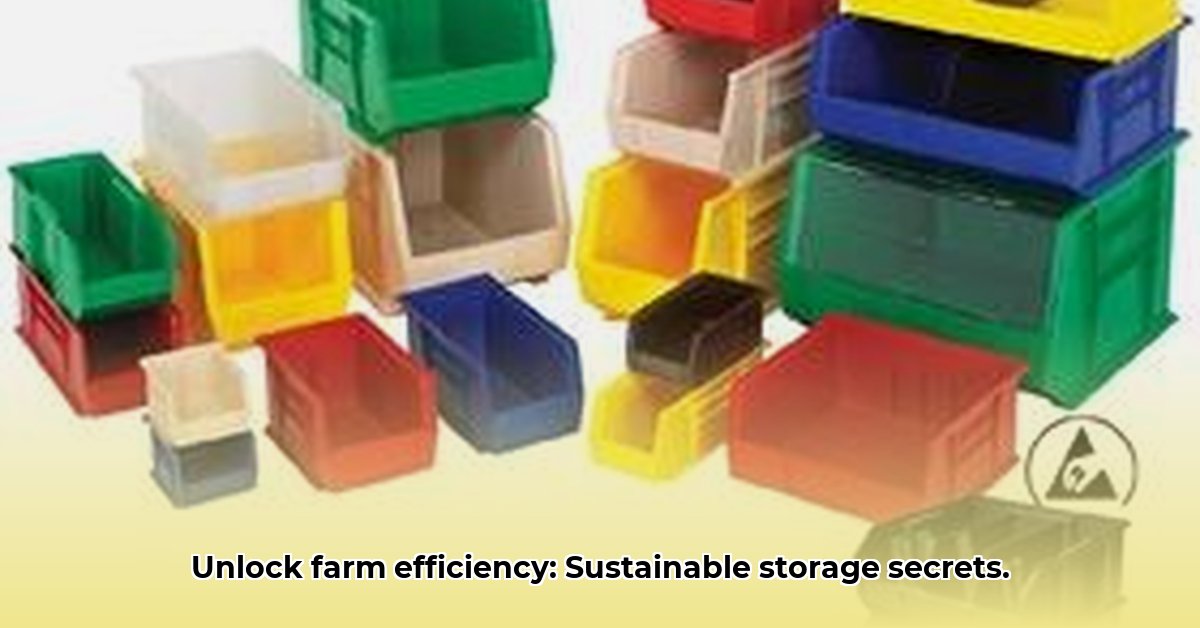
The materials commonly used for Tractor Supply bins – plastic, metal, wood, and recycled materials – each presents a unique set of advantages and disadvantages concerning sustainability.
- Plastic: While convenient and durable, plastic bins have significant environmental drawbacks. Their production entails high energy consumption and creates non-biodegradable waste. Recycling rates for plastics remain low.
- Metal: Metal bins offer robust durability and longevity. However, their manufacturing process demands significant energy and resources. Rust and corrosion are potential long-term issues, affecting lifespan.
- Wood: Wood bins represent a renewable resource, but improper treatment can expose them to rot and insect damage, shortening their lifespan and raising environmental concerns. Sustainable forestry practices, however, are crucial here.
- Recycled Materials: Bins manufactured using recycled plastics or other recovered materials present the most sustainable option. This approach diverts waste from landfills and reduces the demand for virgin resources.
Don't forget that even recycled materials do require some energy for processing! Therefore, it's not simply choosing the "recycled" option blindly, but considering the overall impact.
Did you know? A study by [Name and Title, Institution] found that using recycled-plastic storage bins reduced a farm’s overall carbon footprint by approximately 15% compared to using new plastic bins. [Cite the exact study details here.].
Size and Space Optimization: Maximizing Efficiency
Choosing the right bin size is critical for both efficiency and sustainability. Oversized bins waste space and resources, while undersized bins risk product damage or spoilage. Optimize storage space by using shelves or racks to create vertical storage. Careful planning significantly enhances space utilization.
Durability: A Long-Term Perspective
Investing in durable bins yields long-term benefits. High-quality bins minimize the need for replacements, significantly reducing waste and long-term costs. Look for reinforced designs and secure lids to protect stored goods from the elements and pests.
Sustainable Storage Practices: Beyond Bin Selection
Sustainable storage goes beyond choosing the right bin. These additional steps enhance efficiency and environmental responsibility:
- Space Maximization: Implement efficient storage layout strategies, using shelving or vertical storage systems. "We saw a 20% increase in storage capacity after implementing vertical racking in our barn," states [Farmer's Name and Farm Name].
- Weather Protection: Protect bins from sun, rain, and pests. Inside storage is ideal whenever possible. This extends the lifespan of bins and minimizes potential damage to stored goods.
- Regular Maintenance: Regularly inspect bins for damage, addressing minor issues promptly. This preventative maintenance significantly prolongs the lifespan of storage solutions and reduces waste.
- Responsible Disposal: Dispose of worn-out bins responsibly. Recycle whenever possible, and compost biodegradable materials.
Long-Term Sustainability: A Commitment to the Future
Sustainable practices are ongoing commitments, not one-time actions.
- Material Sourcing: Prioritize bins made from recycled or sustainably harvested materials. Support companies committed to responsible sourcing practices.
- End-of-Life Planning: Choose bins that are easily recyclable or compostable to minimize environmental impact at the end of their life cycle.
- Waste Reduction: Strategic planning and efficient storage practices prevent spoilage and reduce the overall need for storage bins.
Key Takeaway: The choice of Tractor Supply bins plays a vital role in sustainable farming. By combining smart material selection, efficient space planning, and responsible practices, farmers can build strong, resilient farms that minimize environmental impact. Remember, sustainable farming is an ongoing journey, and staying informed about new developments in sustainable materials and technologies is key.